

March , 2025

Top 5 Swim Training Fins for Competitive Swimmers
Top 5 Swim Training Fins for Competitive Swimmers
Highlights
- Training fins help competitive swimmers build strength, improve kick technique, and increase ankle flexibility.
- Short blade fins, like the Speedo Switchblade, promote a faster kick cadence, mimicking race conditions.
- Long blade fins, such as the Finis Floating Fins, provide resistance to develop leg power and endurance.
- Monofins, like the Finis Shooter, enhance dolphin kick efficiency and core strength.
- Hybrid fins, such as the TYR Hydroblade, offer a balance of power and speed for versatile training.
Why Swim Training Fins Matter for Competitive Swimmers
Training fins are an essential tool for competitive swimmers, helping them develop power, refine their technique, and improve overall efficiency in the water. Whether you’re working on sprint speed, endurance, or underwater dolphin kicks, the right fins can enhance your training and race performance. With so many options available, choosing the best fins for your needs is crucial. Here’s a breakdown of the top five training fins for competitive swimmers and how they can take your swimming to the next level.
1. Speedo Switchblade Fins
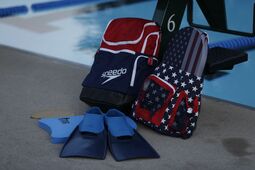
The Speedo Switchblade Fins are a top choice for competitive swimmers looking to refine their kick. These short blade fins encourage a fast, race-pace kick tempo, helping swimmers develop a quick and efficient flutter kick. The unique 10-degree angle of the blade promotes proper body positioning, making them an excellent tool for both sprint and endurance training.
Best for: Sprint training, technique refinement, and body positioning.
2. Finis Floating Fins
For swimmers looking to build leg strength, the Finis Floating Fins offer a longer blade, creating more resistance and increasing lower-body power. These long blade fins float in water, making them ideal for both pool and open-water training. They are also a great option for swimmers working on endurance, as the increased surface area requires more effort with each kick.
Best for: Leg strength development and endurance training.
3. TYR Hydroblade Fins
The TYR Hydroblade Fins provide a perfect balance between power and speed. Designed with a sleek, hydrodynamic shape, these fins allow for smooth propulsion while maintaining a natural kicking motion. The side rails help swimmers maintain stability and proper technique, making them a great choice for all strokes.
Best for: Versatile training across multiple strokes.
4. Arena Powerfin Pro
The Arena Powerfin Pro is a favorite among elite swimmers due to its short, angled blade that forces swimmers to generate propulsion with proper kicking mechanics. These short blade fins are designed to increase ankle flexibility and strengthen the lower legs, which translates to more powerful kicks in races.
Best for: Sprint training, ankle flexibility, and kick efficiency.
5. Finis Shooter Monofin
For swimmers looking to enhance their underwater dolphin kick, the Finis Shooter Monofin is an excellent choice. Unlike traditional fins, a monofin forces swimmers to engage their core and execute a powerful, unified kick. This fin is particularly useful for improving underwater speed and developing a stronger butterfly kick.
Best for: Underwater dolphin kick training and core strength.
How to Choose the Right Competitive Swim Training Fins
When selecting training fins, consider your specific goals:
- For sprint swimmers: Short blade fins like the Speedo Switchblade or Arena Powerfin Pro help improve kick tempo.
- For endurance swimmers: Longer blade fins, such as the Finis Floating Fins, build strength and stamina.
- For underwater specialists: A monofin like the Finis Shooter is ideal for perfecting dolphin kicks.
- For all-around training: Hybrid fins like the TYR Hydroblade provide a well-balanced mix of power and technique refinement.
Using the right training fins can elevate your swimming performance, making you stronger, faster, and more efficient in the water.
How to Choose a Swim Cap for Different Water Temperatures
How to Choose a Swim Cap for Different Water Temperatures
Highlights
- Neoprene swim caps provide superior insulation for cold water swimming.
- Silicone caps offer a balance of durability and moderate warmth, suitable for cooler pools.
- Latex caps are lightweight and ideal for warmer water conditions.
- Double capping, using a silicone cap beneath a neoprene cap, enhances heat retention in very cold waters.
- Fabric caps, such as those made from Lycra, are comfortable but offer minimal thermal protection.
Why Swim Caps Matter
A swim cap isn’t just about keeping hair out of your face—it plays an important role in temperature regulation. Choosing the right cap based on water temperature ensures comfort, improves swim performance, and protects against the elements. Whether you're swimming in a heated indoor pool or braving the open water, the right cap can make a significant difference.
Understanding Swim Cap Materials
Swim caps come in various materials, each offering distinct advantages depending on your swimming conditions:
- Neoprene Caps – Designed for cold water, neoprene swim caps offer excellent insulation and are often used by open water swimmers and triathletes. Unlike standard swim caps, neoprene caps provide extra warmth by reducing heat loss from the head, similar to a wetsuit.
- Silicone Caps – A popular choice for competitive and recreational swimmers, silicone caps are thicker than latex, providing moderate warmth while remaining flexible and durable. They fit snugly and last longer than other materials.
- Latex Caps – Thin and lightweight, latex caps allow for better breathability and are ideal for warm water swimming. They provide a secure fit but can wear out faster than silicone.
- Fabric (Lycra) Caps – Comfortable and easy to put on, fabric caps do not provide insulation but are perfect for swimmers who prioritize comfort over warmth. These caps are best for warm water pools where thermal protection isn’t necessary.
Matching Caps to Water Temperatures
To maximize comfort and performance, it’s essential to align your cap choice with the water temperature:
- Cold Water (Below 60°F/16°C) – Neoprene caps are the best choice due to their insulating properties. For extreme cold, swimmers often use the double-capping technique, layering a silicone cap underneath a neoprene cap for added warmth.
- Cool to Moderate Temperatures (60-75°F/16-24°C) – Silicone caps strike the perfect balance of insulation and flexibility, making them the go-to option for swimmers in slightly chilly pools or open water.
- Warm Water (Above 75°F/24°C) – Latex or fabric caps are ideal for these conditions. Latex’s lightweight nature allows for better breathability, while fabric caps provide a comfortable alternative for leisurely swimming.
Fit and Comfort Considerations
Finding the right swim cap isn't just about material and temperature—fit is just as important. A cap should be snug enough to stay in place but not so tight that it causes discomfort or headaches. A proper fit also prevents water from seeping in, which can affect warmth and performance. If you have long hair, look for swim caps designed with extra room to ensure a secure yet comfortable fit.
If you have a latex allergy, opt for a silicone or fabric cap to avoid irritation. Durability is another key factor; while latex caps are budget-friendly, they tend to wear out faster than silicone. Competitive swimmers may prefer silicone for its longevity, while recreational swimmers might prioritize comfort with a fabric cap.
Safety and Versatility
For open water swimmers, visibility is a key safety factor. Brightly colored caps improve safety by making you more visible to boats and other swimmers, which is especially important in lakes and oceans. Some brands even offer thermal caps with built-in ear coverage for extra warmth in cold water.
If you frequently swim in different conditions, owning multiple caps for varying water temperatures can be beneficial. This allows you to switch between insulating neoprene, durable silicone, and breathable latex based on the water temperature and your swimming environment.
No matter where you swim, having the right cap can make a significant difference in comfort and performance. Check out Kiefer’s full selection of swim caps and swim gear here to find the perfect fit for your needs!