


Blog

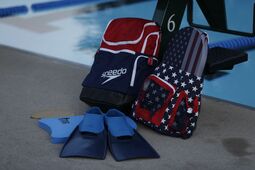
Top 5 Swim Training Fins for Competitive Swimmers
Top 5 Swim Training Fins for Competitive Swimmers
Highlights
- Training fins help competitive swimmers build strength, improve kick technique, and increase ankle flexibility.
- Short blade fins, like the Speedo Switchblade, promote a faster kick cadence, mimicking race conditions.
- Long blade fins, such as the Finis Floating Fins, provide resistance to develop leg power and endurance.
- Monofins, like the Finis Shooter, enhance dolphin kick efficiency and core strength.
- Hybrid fins, such as the TYR Hydroblade, offer a balance of power and speed for versatile training.
Why Swim Training Fins Matter for Competitive Swimmers
Training fins are an essential tool for competitive swimmers, helping them develop power, refine their technique, and improve overall efficiency in the water. Whether you’re working on sprint speed, endurance, or underwater dolphin kicks, the right fins can enhance your training and race performance. With so many options available, choosing the best fins for your needs is crucial. Here’s a breakdown of the top five training fins for competitive swimmers and how they can take your swimming to the next level.
1. Speedo Switchblade Fins
The Speedo Switchblade Fins are a top choice for competitive swimmers looking to refine their kick. These short blade fins encourage a fast, race-pace kick tempo, helping swimmers develop a quick and efficient flutter kick. The unique 10-degree angle of the blade promotes proper body positioning, making them an excellent tool for both sprint and endurance training.
Best for: Sprint training, technique refinement, and body positioning.
2. Finis Floating Fins
For swimmers looking to build leg strength, the Finis Floating Fins offer a longer blade, creating more resistance and increasing lower-body power. These long blade fins float in water, making them ideal for both pool and open-water training. They are also a great option for swimmers working on endurance, as the increased surface area requires more effort with each kick.
Best for: Leg strength development and endurance training.
3. TYR Hydroblade Fins
The TYR Hydroblade Fins provide a perfect balance between power and speed. Designed with a sleek, hydrodynamic shape, these fins allow for smooth propulsion while maintaining a natural kicking motion. The side rails help swimmers maintain stability and proper technique, making them a great choice for all strokes.
Best for: Versatile training across multiple strokes.
4. Arena Powerfin Pro
The Arena Powerfin Pro is a favorite among elite swimmers due to its short, angled blade that forces swimmers to generate propulsion with proper kicking mechanics. These short blade fins are designed to increase ankle flexibility and strengthen the lower legs, which translates to more powerful kicks in races.
Best for: Sprint training, ankle flexibility, and kick efficiency.
5. Finis Shooter Monofin
For swimmers looking to enhance their underwater dolphin kick, the Finis Shooter Monofin is an excellent choice. Unlike traditional fins, a monofin forces swimmers to engage their core and execute a powerful, unified kick. This fin is particularly useful for improving underwater speed and developing a stronger butterfly kick.
Best for: Underwater dolphin kick training and core strength.
How to Choose the Right Competitive Swim Training Fins
When selecting training fins, consider your specific goals:
- For sprint swimmers: Short blade fins like the Speedo Switchblade or Arena Powerfin Pro help improve kick tempo.
- For endurance swimmers: Longer blade fins, such as the Finis Floating Fins, build strength and stamina.
- For underwater specialists: A monofin like the Finis Shooter is ideal for perfecting dolphin kicks.
- For all-around training: Hybrid fins like the TYR Hydroblade provide a well-balanced mix of power and technique refinement.
Using the right training fins can elevate your swimming performance, making you stronger, faster, and more efficient in the water.
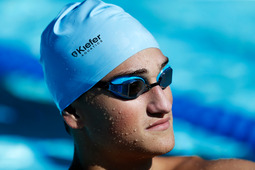
How to Choose a Swim Cap for Different Water Temperatures
How to Choose a Swim Cap for Different Water Temperatures
Highlights
- Neoprene swim caps provide superior insulation for cold water swimming.
- Silicone caps offer a balance of durability and moderate warmth, suitable for cooler pools.
- Latex caps are lightweight and ideal for warmer water conditions.
- Double capping, using a silicone cap beneath a neoprene cap, enhances heat retention in very cold waters.
- Fabric caps, such as those made from Lycra, are comfortable but offer minimal thermal protection.
Why Swim Caps Matter
A swim cap isn’t just about keeping hair out of your face—it plays an important role in temperature regulation. Choosing the right cap based on water temperature ensures comfort, improves swim performance, and protects against the elements. Whether you're swimming in a heated indoor pool or braving the open water, the right cap can make a significant difference.
Understanding Swim Cap Materials
Swim caps come in various materials, each offering distinct advantages depending on your swimming conditions:
- Neoprene Caps – Designed for cold water, neoprene swim caps offer excellent insulation and are often used by open water swimmers and triathletes. Unlike standard swim caps, neoprene caps provide extra warmth by reducing heat loss from the head, similar to a wetsuit.
- Silicone Caps – A popular choice for competitive and recreational swimmers, silicone caps are thicker than latex, providing moderate warmth while remaining flexible and durable. They fit snugly and last longer than other materials.
- Latex Caps – Thin and lightweight, latex caps allow for better breathability and are ideal for warm water swimming. They provide a secure fit but can wear out faster than silicone.
- Fabric (Lycra) Caps – Comfortable and easy to put on, fabric caps do not provide insulation but are perfect for swimmers who prioritize comfort over warmth. These caps are best for warm water pools where thermal protection isn’t necessary.
Matching Caps to Water Temperatures
To maximize comfort and performance, it’s essential to align your cap choice with the water temperature:
- Cold Water (Below 60°F/16°C) – Neoprene caps are the best choice due to their insulating properties. For extreme cold, swimmers often use the double-capping technique, layering a silicone cap underneath a neoprene cap for added warmth.
- Cool to Moderate Temperatures (60-75°F/16-24°C) – Silicone caps strike the perfect balance of insulation and flexibility, making them the go-to option for swimmers in slightly chilly pools or open water.
- Warm Water (Above 75°F/24°C) – Latex or fabric caps are ideal for these conditions. Latex’s lightweight nature allows for better breathability, while fabric caps provide a comfortable alternative for leisurely swimming.
Fit and Comfort Considerations
Finding the right swim cap isn't just about material and temperature—fit is just as important. A cap should be snug enough to stay in place but not so tight that it causes discomfort or headaches. A proper fit also prevents water from seeping in, which can affect warmth and performance. If you have long hair, look for swim caps designed with extra room to ensure a secure yet comfortable fit.
If you have a latex allergy, opt for a silicone or fabric cap to avoid irritation. Durability is another key factor; while latex caps are budget-friendly, they tend to wear out faster than silicone. Competitive swimmers may prefer silicone for its longevity, while recreational swimmers might prioritize comfort with a fabric cap.
Safety and Versatility
For open water swimmers, visibility is a key safety factor. Brightly colored caps improve safety by making you more visible to boats and other swimmers, which is especially important in lakes and oceans. Some brands even offer thermal caps with built-in ear coverage for extra warmth in cold water.
If you frequently swim in different conditions, owning multiple caps for varying water temperatures can be beneficial. This allows you to switch between insulating neoprene, durable silicone, and breathable latex based on the water temperature and your swimming environment.
No matter where you swim, having the right cap can make a significant difference in comfort and performance. Check out Kiefer’s full selection of swim caps and swim gear here to find the perfect fit for your needs!
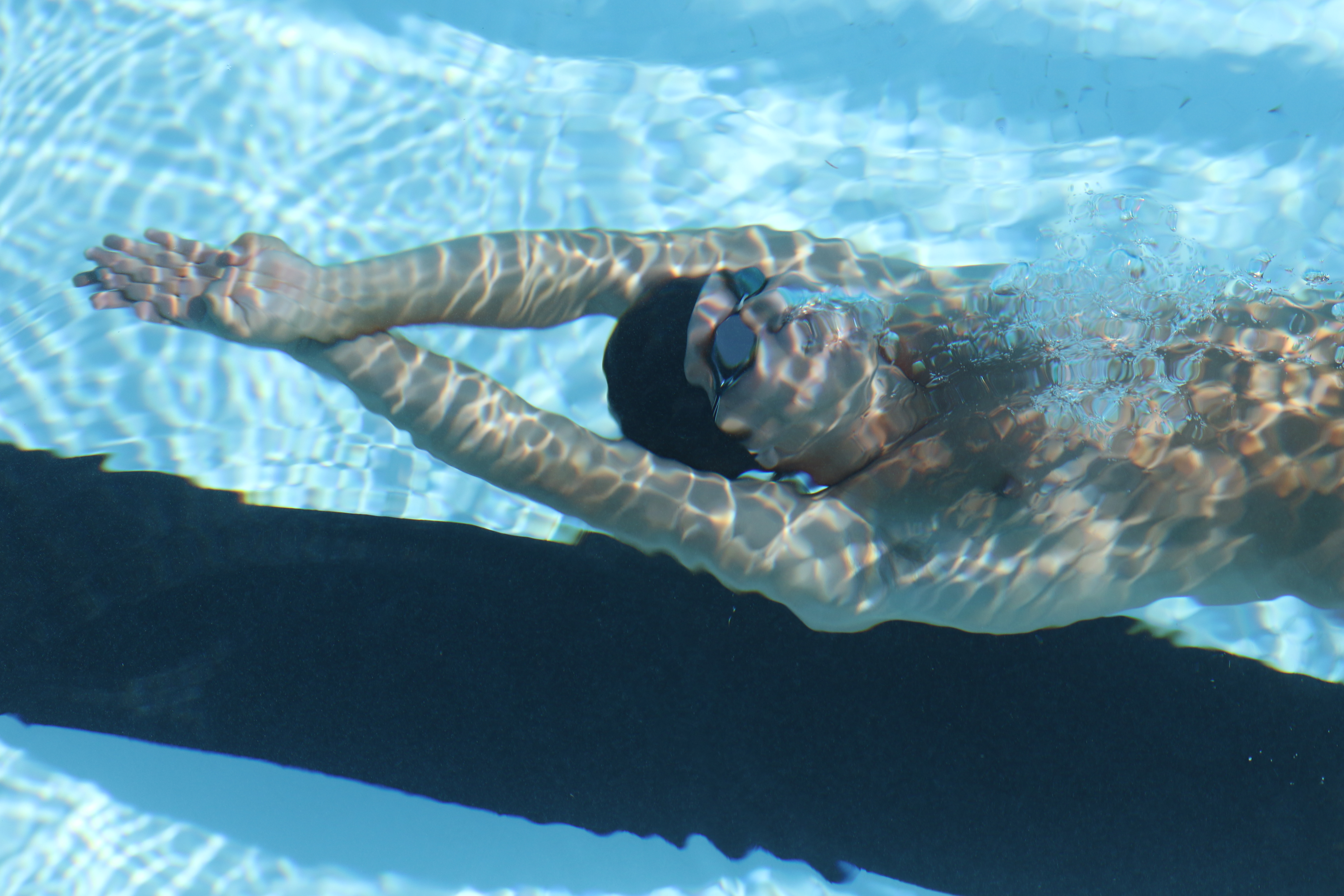
Cold Water Swimming: Challenges & Gear Recommendations
Highlights:
- Cold water swimming triggers a “cold shock response,” affecting breathing and muscle function. Mental toughness is crucial to handle the discomfort and stress of cold water.
- Acclimatizing gradually to cold water and having a proper pre-swim and post-swim routine is essential to prevent health risks such as hypothermia.
- A high-quality wetsuit, along with neoprene caps, gloves, and booties, provides necessary insulation and protection, making cold water swimming safer and more comfortable.
Cold water swimming, growing in popularity, involves swimming in water below 60°F (15.5°C). Kiefer Aquatics outlines its challenges and recommends gear for a safer experience.
Physical and Mental Challenges
Cold water swimming presents unique physical and mental challenges. The initial immersion can trigger a 'cold shock response,' causing rapid breathing, increased heart rate, and muscle stiffness. These physiological responses can be overwhelming and potentially dangerous if not managed properly. Mentally, swimmers must possess a high level of fortitude and determination to endure and overcome the discomfort and stress of cold water.
Health and Safety Precautions
Acclimatization to cold water is crucial for reducing health risks. Gradually increasing exposure to cold water helps the body adapt, reducing the intensity of the cold shock response. Pre-swim preparation, such as warming up on land and performing breathing exercises, can help mitigate the initial shock. Post-swim recovery is equally important; warming up gradually and avoiding hot showers immediately after swimming can prevent hypothermia and aid in recovery.
Essential Gear for Cold Water
Choosing the right gear is essential for a safe and comfortable cold water swimming experience. A high-quality wetsuit provides insulation and buoyancy, helping to maintain body temperature and reduce energy expenditure. Look for wetsuits specifically designed for cold water, with thicker neoprene and thermal linings. Additional gear such as neoprene caps, gloves, and booties provide extra warmth and protection for extremities, which are particularly susceptible to cold.
Taking the Cold Plunge
Cold water swimming is both challenging and rewarding. Understanding the physical and mental demands, taking appropriate health and safety precautions, and using the right gear are key to a successful cold water swimming experience. Start with short swims in supervised areas, gradually increasing duration and distance as your body acclimatizes to the cold. With proper preparation and equipment, cold water swimming can be a safe and invigorating activity. Get your cold water gear with Kiefer Aquatics today!
The Impact of Temperature on Swim Performance
Highlights:
- Water temperature significantly affects muscle function and endurance, with cold water leading to stiffness and warm water causing early fatigue.
- Adjust swim practices based on water temperature, including proper warm-up and cool-down routines to adapt to varying conditions.
- Appropriate swimwear and accessories, like wetsuits and thermal caps, help regulate body temperature in different water environments.
- Understanding and preparing for water temperature conditions is crucial for optimizing swimming performance and ensuring safety.
Temperature can significantly affect swimming performance in both practice and competitions. Kiefer Aquatics aims to educate swimmers on optimizing their performance by understanding the impacts of temperature.
Effects of Water Temperature
Water temperature plays a crucial role in muscle function and endurance. Cold water can lead to muscle stiffness and reduced performance, while warm water can cause overheating and early fatigue. Swimmers are also at risk of hypothermia in cold water and hyperthermia in warm water, both of which can be dangerous.
Adjusting Training for Temperature
To optimize training, adjust your swim practices based on water temperature. In colder water, extend your warm-up to make sure your muscles are properly prepared. Conversely, in warmer water, take more frequent breaks to cool down. Incorporate a thorough cool-down routine to help the body recover and adapt to varying temperatures. It’s also helpful to monitor your body’s response during training and adjust your effort level accordingly.
Gear for Different Temperatures
Appropriate swimwear and accessories are essential for adapting to different water temperatures. Wetsuits provide insulation in cold conditions, helping to maintain body heat. For warmer environments, opt for lighter materials that allow better heat dissipation. Thermal caps, gloves, and booties can offer additional protection and help regulate body temperature in colder water. Additionally, using gear like cooling towels and hydration packs can help manage body temperature during and after training sessions in warm water.
More Effective Training
Understanding the impact of temperature on swimming performance is key to optimizing training and competition results. Always check water temperature conditions before swimming and adjust your preparation and gear for safety and maximum performance. By being mindful of temperature effects and making necessary adjustments, swimmers can improve their efficiency and enjoy a safer, more effective training regimen. Learn more and get your swimming apparel at Kiefer Aquatics today!
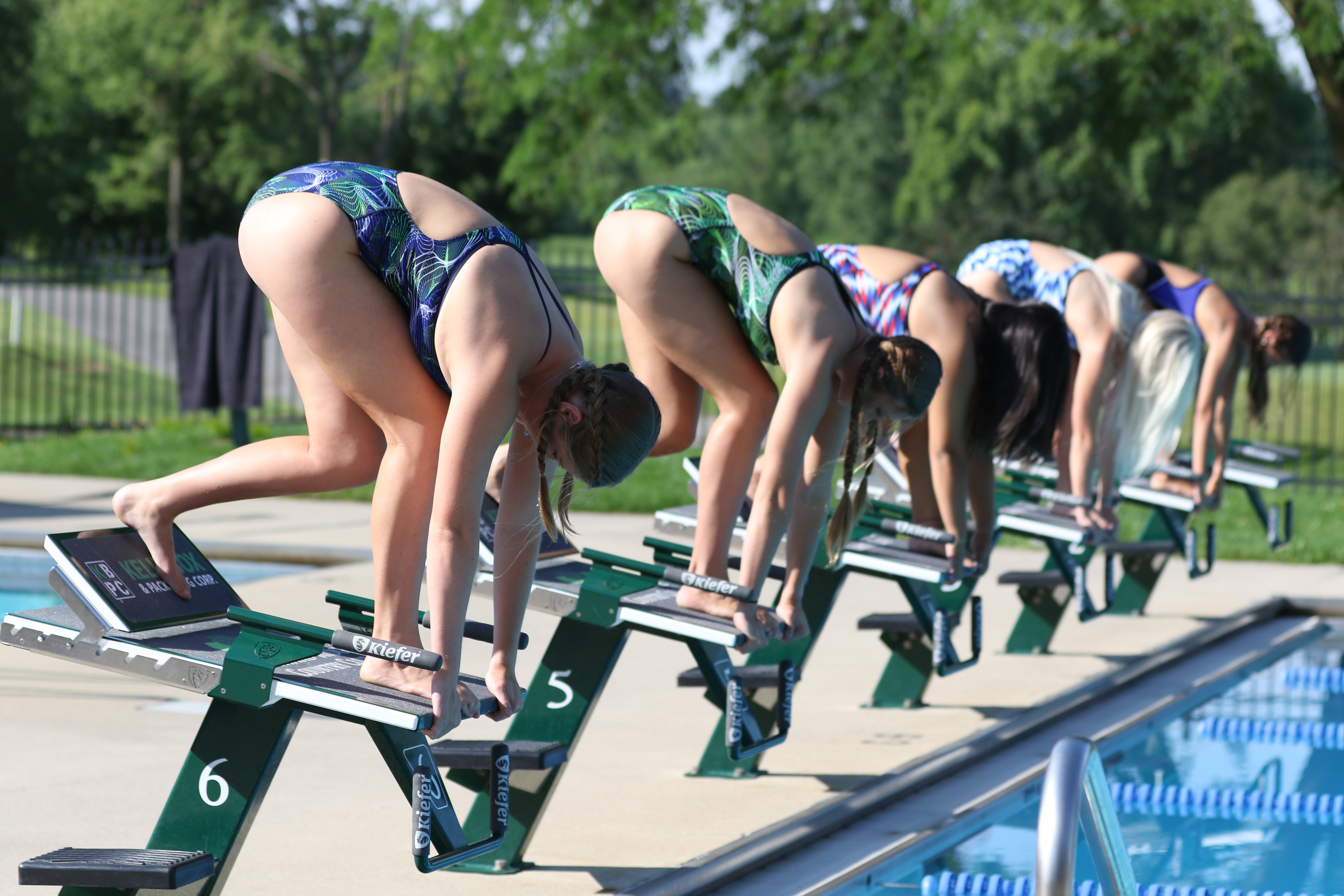
The Science Behind Swimwear Fabric
Key Insights:
- Swimwear fabrics include polyester, PBT, and Lycra, each offering unique benefits like durability, elasticity, and chlorine resistance.
- Water resistance and quick-drying features in fabrics reduce drag and improve performance.
- Choosing the right fabric depends on the swimmer’s needs, balancing comfort and fit with performance requirements.
- Durable fabrics help swimwear withstand frequent use and exposure to chlorine.
Swimming is not just about technique and training; the gear you use, particularly your swimwear, plays a crucial role in your performance. Let’s explore common swimwear fabrics and how they can enhance or hinder your time in the pool.
Types of Fabrics Used in Swimwear
Swimwear is typically made from a variety of fabrics, each with its own set of characteristics and benefits. Here, we'll delve into the most common types: polyester, PBT (Polybutylene Terephthalate), and Lycra.
- Polyester
Polyester is a popular choice for swimwear due to its durability and chlorine resistance. It's less likely to stretch out over time, making it ideal for frequent swimmers. Polyester suits are also known for their excellent color retention and resistance to pilling.
- PBT (Polybutylene Terephthalate)
PBT is a type of polyester that offers exceptional elasticity and chlorine resistance. It combines the durability of polyester with the flexibility of Lycra, making it a favorite among competitive swimmers. PBT swimwear is lightweight and provides a snug, comfortable fit that moves with the swimmer.
- Lycra
Lycra, also known as spandex or elastane, is renowned for its superior stretch and comfort. This fabric allows for a tight, compressive fit that can enhance a swimmer's streamline in the water. However, Lycra is less resistant to chlorine, so it may degrade faster than polyester or PBT when used in chlorinated pools.
Fabric Technology
Advances in fabric technology have significantly improved the performance and comfort of swimwear. Modern swimwear fabrics are designed to be water-resistant and quick-drying, reducing the weight and drag that can slow swimmers down.
Water Resistance and Quick Drying
Swimwear fabrics are treated with special coatings to enhance their water resistance, allowing water to bead off the surface rather than soaking in. This technology helps keep the fabric lightweight and reduces drag, enabling swimmers to move more efficiently through the water. Additionally, quick-drying properties ensure that the swimwear dries rapidly after leaving the pool, providing added comfort and convenience.
Reducing Drag
The right fabric can make a significant difference in reducing drag. Fabrics like PBT and Lycra are designed to fit snugly and maintain their shape, minimizing the wrinkles and loose areas that can create resistance in the water. This streamlined fit helps swimmers maintain their speed and efficiency.
Choosing the Right Fabric
Selecting the right swimwear fabric depends on your swimming needs and personal preferences. Here are some tips to help you make the best choice:
- Casual Swimming
For casual swimmers or those who swim for fitness, polyester swimwear is a great option due to its durability and resistance to chlorine. It will hold up well over time, even with frequent use in chlorinated pools.
- Competitive Swimming
Competitive swimmers may prefer PBT or Lycra for their superior elasticity and performance benefits. PBT offers a balance of durability and flexibility, while Lycra provides the tight, compressive fit that can enhance speed and streamline in the water.
- Comfort and Fit
Regardless of the type of swimming you do, comfort and fit are paramount. Make sure your swimwear fits well without being too tight or too loose. A well-fitted suit will stay in place and move with you, allowing you to focus on your swimming rather than adjusting your gear.
Dive Into the Details
The fabric you choose for your swimwear can have a significant impact on your performance and comfort in the water. Understanding the differences between polyester, PBT, and Lycra, as well as the benefits of advanced fabric technologies, can help you make an informed decision. When purchasing your next swimsuit, visit Kiefer Aquatics for you specific needs and to learn more about how each fabric can enhance your swimming experience!
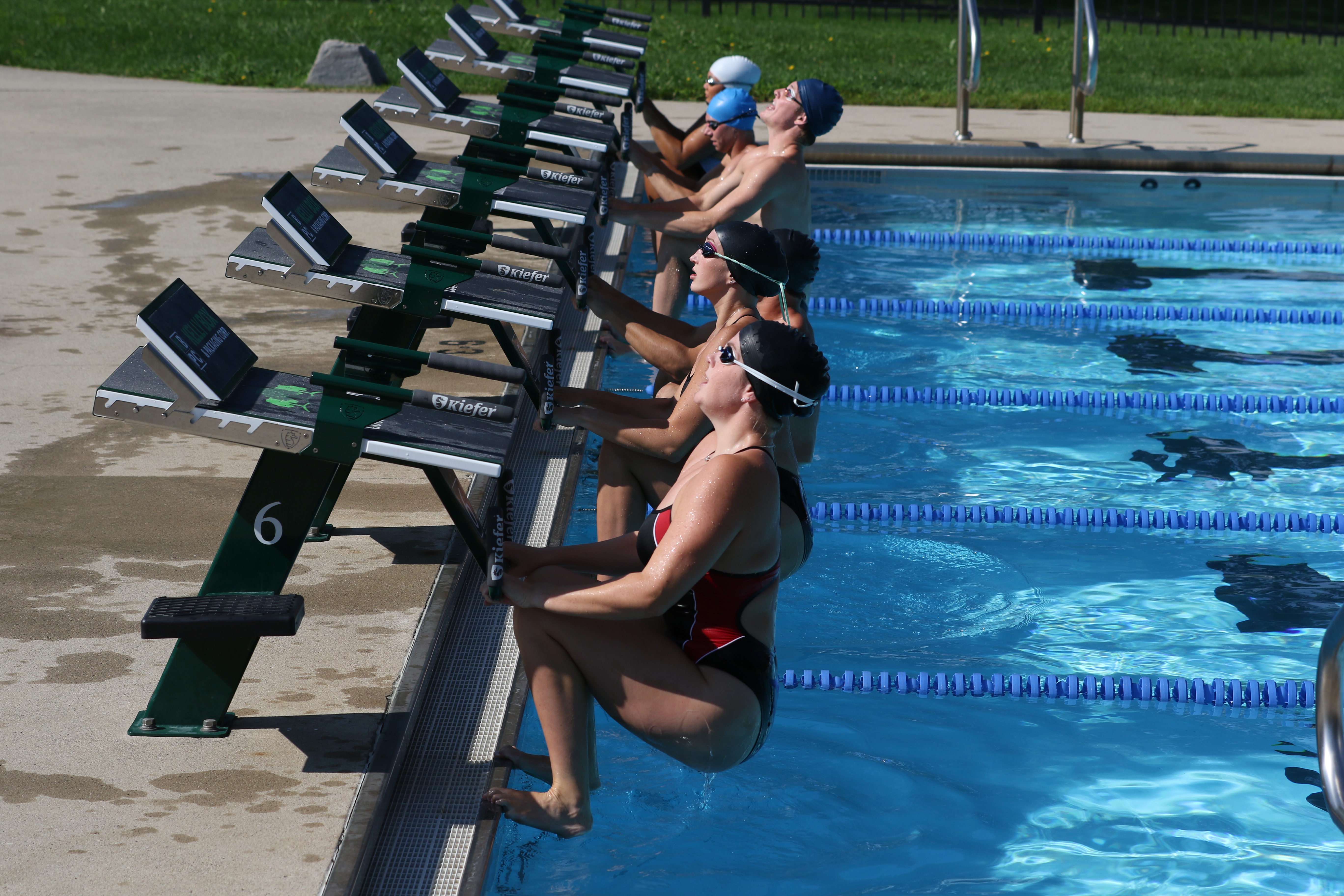
Hydrodynamics in Swimming & How Your Gear Helps
Highlights:
- Hydrodynamics, which involves reducing water resistance to improve swim efficiency, is crucial for faster and less tiring swimming.
- High-quality swimwear, caps, and goggles reduce drag, with tech suits providing competitive swimmers with a significant performance edge.
- Choose swimwear and accessories that enhance hydrodynamics based on your swimming level.
Hydrodynamics is a key factor in swimming efficiency, influencing how easily you move through water. Kiefer Aquatics explores how the right gear can enhance your hydrodynamic efficiency, making your swim faster and less tiring.
Basics of Hydrodynamics
Hydrodynamics involves the study of water resistance and its impact on swim speed and energy use. Key terms include drag, which is the resistance water exerts against the swimmer, and flow, which describes how water moves around the swimmer's body. Reducing drag is essential for improving swim efficiency.
Impact of Gear on Hydrodynamics
Swimwear, caps, and goggles play a significant role in reducing drag. High-quality swimwear made from smooth, water-repellent materials helps minimize resistance. Caps streamline the head, reducing water friction, while goggles protect the eyes without disrupting the swimmer’s streamlined form. Tech suits, used in competitive swimming, are designed to compress the body and reduce drag even further, offering a performance edge.
Choosing the Right Gear
Selecting the right gear depends on your swimming level. For recreational swimmers, comfortable, well-fitting swimwear and caps can enhance hydrodynamics. Competitive swimmers may benefit from tech suits and specialized goggles designed for minimal drag. When choosing gear, consider factors like fit, material, and your specific swimming needs.
Finding Your Fit
Understanding hydrodynamics can significantly improve your swimming performance. By selecting the right gear with Kiefer Aquatics, you can reduce drag and swim more efficiently. Experiment with different swimwear, caps, and goggles to find what works best for you, and enjoy a smoother, faster swim!

How to Swim in Open Water
Highlights:
- Always swim with a buddy, wear visible gear, and use flotation devices to enhance safety and visibility. These precautions help prevent accidents and ensure assistance is readily available.
- Practice navigation using natural landmarks and adjust your swimming strokes to handle waves and cold water. Start with shorter distances in supervised areas to build confidence and experience.
Swimming in open water is an exhilarating experience, distinctly different from pool swimming. At Kiefer Aquatics, we’ll prepare you for safe and enjoyable open-water swimming by covering some essential aspects and tips you’ll need.
Understanding the Environment
Open-water environments vary, including lakes, oceans, and rivers. Each setting presents unique challenges, such as currents, temperature fluctuations, and wildlife encounters. For instance, ocean swimming often involves dealing with tides and waves, while lakes might have more stable conditions but lower visibility.
Safety Measures
Safety is paramount. Always swim with a buddy and inform someone of your plans. Wearing brightly colored swim caps and using flotation devices enhance visibility. These precautions are vital in preventing accidents and ensuring quick assistance if needed.
Navigation Techniques
Navigating open water without lane lines requires practice. Use natural landmarks like trees or buildings and consider the sun's position for orientation. Developing a habit of sighting—lifting your head periodically to check your direction—can help maintain a straight course.
Adapting to Open Water Conditions
Adapting your swimming techniques is crucial. In wavy or choppy conditions, modify your strokes to shorter, quicker movements for stability. Practice bilateral breathing (breathing on both sides) to handle waves and avoid inhaling water. Additionally, acclimatize to the cold by gradually extending your exposure to cooler water.
Open Water Adventure
To successfully swim in open water, remember to understand the environment, prioritize safety, and adapt your techniques. Start with shorter swims in supervised areas to build confidence and experience. Embrace the adventure and enjoy the unique challenges that open-water swimming offers. Learn more at Kiefer Aquatics today!
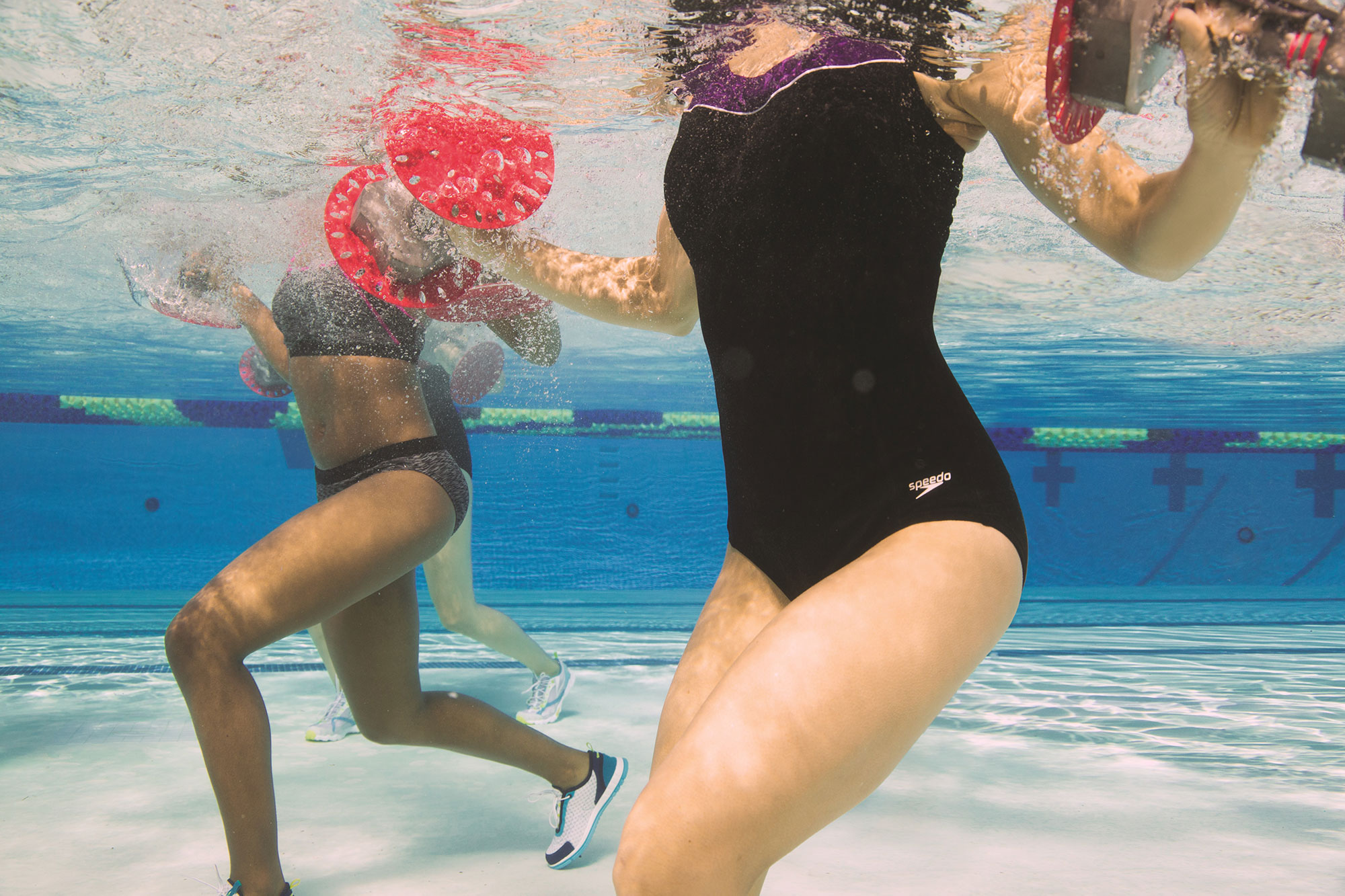
Understanding Resistance Training in the Water
Highlights:
- Water resistance training enhances muscle strength and overall fitness by leveraging natural resistance.
- Equipment like paddles, fins, and resistance bands target different muscle groups and improve workout intensity.
- Sample exercises such as water jogging, leg kicks, and arm strokes with paddles can be integrated into swim training routines.
- Resistance training in water benefits swimmers by improving strength, endurance, and flexibility.
- Experimenting with various equipment and exercises helps swimmers find the best fit for their fitness goals.
Resistance training in water leverages the natural resistance provided by water to enhance swimming strength and endurance. Kiefer Aquatics explores how to effectively implement resistance training in water.
Principles of Water Resistance
Water provides a unique form of resistance that enhances muscle strength and overall fitness. The basic principles of drag mean that any movement through water increases workout intensity, providing a full-body workout that can improve strength, flexibility, and cardiovascular health. Unlike air, water is denser, making movements slower but more challenging, leading to greater muscle engagement and calorie burn.
Types of Resistance Training Equipment
Various tools are used in water resistance training, such as paddles, fins, and resistance bands. Each piece of equipment targets different muscle groups. Paddles, for example, enhance arm strength and technique by increasing the surface area that the arms push against. Fins boost leg power and improve kick technique, while resistance bands provide overall muscle conditioning and can be used for a range of exercises that mimic land-based strength training routines.
Sample Resistance Training Exercises
Examples of water resistance exercises include water jogging, leg kicks, and arm strokes with paddles. Water jogging involves mimicking running movements in the pool, providing a low-impact cardiovascular workout that builds endurance and leg strength. Leg kicks, performed with or without fins, focus on lower body strength and help improve kick technique for swimming. Arm strokes with paddles enhance upper body power and technique. These exercises can be incorporated into a regular swim training regimen to increase intensity and build muscle. Combining these exercises into a circuit can create a comprehensive water resistance training session.
Enhance Your Swimming Performance
Resistance training in water offers improved strength, endurance, and overall fitness for swimmers of all levels. By trying different equipment and exercises from Kiefer Aquatics, swimmers can find the best fit for their personal fitness goals and enhance their swimming performance. Start incorporating water resistance training into your routine to experience these benefits and elevate your swimming capabilities!
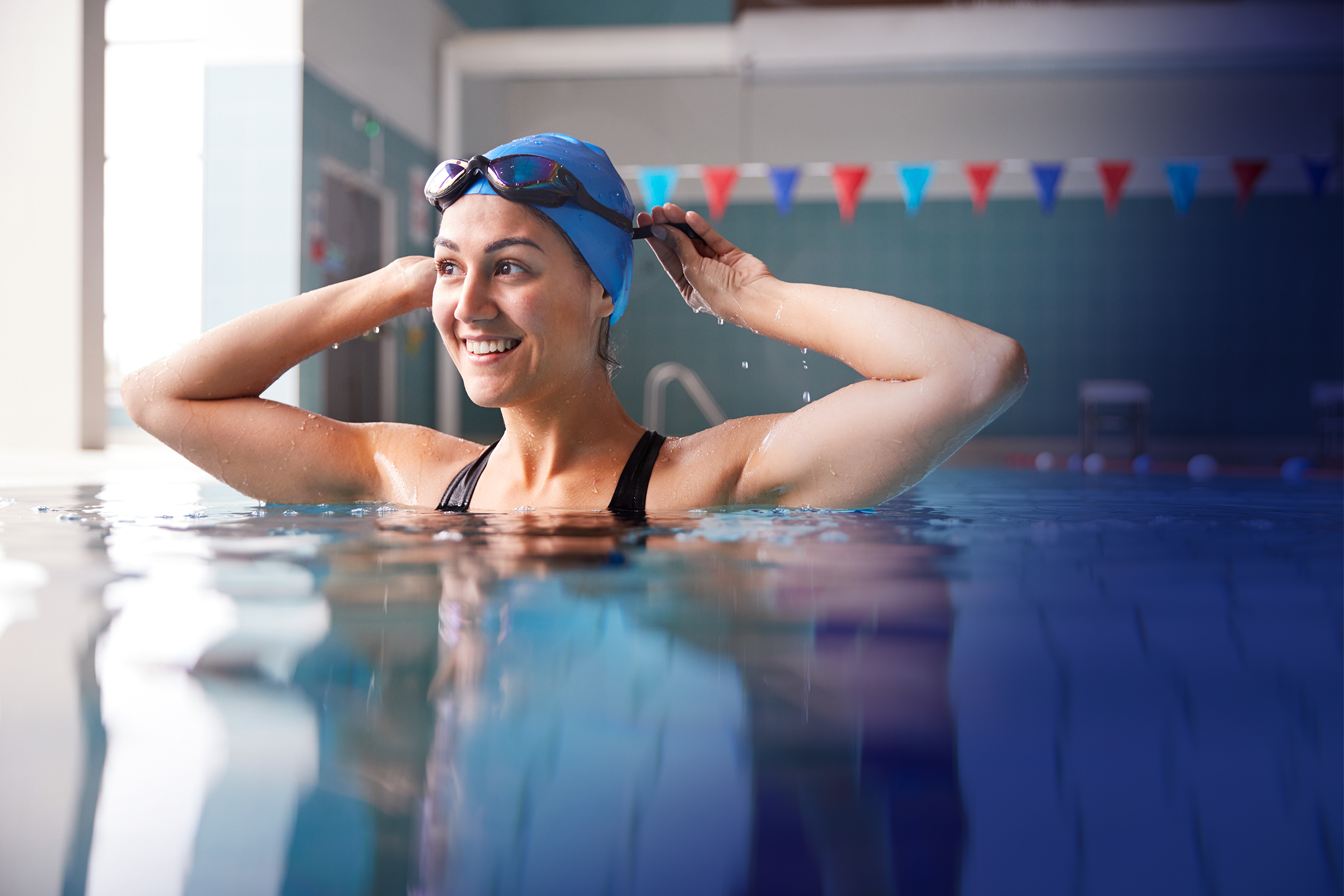
Beginner’s Guide to Competitive Swimming
Highlights:
- Competitive swimming involves various strokes and events, offering both individual and team competition formats.
- Joining a local swim team and having a coach is crucial for structured training and skill development.
- Essential gear for competitive swimmers includes swimsuits, goggles, and caps, with tech suits enhancing performance in races.
- Preparing for swim meets requires a balanced diet, mental preparation, and a thorough warm-up routine.
- Beginners should attend swim meets as spectators to learn the competitive environment.
Competitive swimming is an exhilarating sport that offers numerous physical and mental benefits. This guide aims to provide newcomers with a basic understanding of competitive swimming and how to get started on this rewarding journey.
Overview of Competitive Swimming
Competitive swimming involves various strokes such as freestyle, backstroke, breaststroke, and butterfly. Swimmers compete in events ranging from short sprints to long-distance races. Common competitive formats include meets and leagues, where swimmers compete individually or as part of a team.
Getting Started
To begin your journey in competitive swimming, find and join a local swim team or club. Having a coach is essential for structured training sessions and skill development. Coaches provide personalized feedback, design effective training programs, and offer valuable guidance on technique and strategy.
Equipment and Gear
Essential gear for competitive swimmers includes swimsuits, goggles, and caps. Swimsuits should be snug and designed for reduced drag. Goggles protect your eyes and improve underwater visibility, while caps streamline your head and reduce resistance. For races, tech suits are used to enhance performance, providing compression and reducing drag.
Preparation for Swim Meets
Preparing for swim meets involves more than just physical training. Focus on a balanced diet to fuel your body and engage in mental preparation techniques such as visualization and positive self-talk. On the day of the event, arrive early, familiarize yourself with the venue, and follow a warm-up routine to get ready for your races.
Spectate for Experience
Approach competitive swimming with enthusiasm and patience. With dedication and the right guidance, you can enjoy the challenges and rewards that competitive swimming offers. Learn more about competitive swimming tips and apparel at Kiefer Aquatics today!
Understanding Pool Chemistry
Key Insights:
- Proper pool chemistry is crucial for maintaining swimmer health and performance.
- Chlorine sanitizes water, while pH balancers and algaecides maintain water quality and clarity.
- Common pool chemicals, including alkalinity adjusters and shock treatments, keep water clear and comfortable.
- Regular testing and careful adjustment of chemical levels ensure balanced pool water.
Maintaining proper pool chemistry is crucial for swimmers' health and safety and for ensuring peak performance. Balanced pool water prevents harmful bacteria and algae growth, keeps the water clear, and enhances the overall swimming experience. This article aims to provide basic knowledge of pool water treatment to help you keep your pool in top condition.
The Role of Chlorine
Chlorine is the cornerstone of pool water treatment. It works as a powerful disinfectant that kills bacteria, viruses, and other harmful microorganisms. By keeping the water clean and free of contaminants, chlorine ensures a safe swimming environment.
Other Essential Chemicals
Other chemicals play vital roles in maintaining pool chemistry. pH balancers keep the water's acidity at a safe level, while algaecides prevent algae growth. Each contributes to the overall health and clarity of the pool water.
Common Pool Chemicals
Chlorine
Chlorine sanitizes water and kills harmful microorganisms. It's available in various forms, including tablets, granules, and liquids. Regularly adding chlorine to your pool helps maintain a safe and clean swimming environment.
pH Balancers
Maintaining the correct pH level (usually between 7.2 and 7.8) is essential for swimmer comfort and chemical effectiveness. If the pH is too high, chlorine is not able to sanitize as well, and the water can cause skin and eye irritation. pH balancers, such as muriatic acid or soda ash, help keep the pH within the optimal range.
Alkalinity Adjusters
Total alkalinity acts as a buffer for the pH level, preventing drastic changes. Alkalinity adjusters, such as sodium bicarbonate, help maintain stable pH levels and protect against corrosion or scaling in the pool.
Shock Treatments
Shock treatments involve adding a large dose of chlorine or non-chlorine shock to the pool to quickly raise the sanitizer level. This process helps eliminate contaminants, bacteria, and algae that regular chlorination might miss. Shocking the pool is typically done every one to two weeks or after heavy use.
Testing and Balancing Water
How Often to Test
Testing your pool water regularly is crucial for maintaining proper chemical levels. Ideally, you should test the water at least twice a week during the swimming season. Frequent testing ensures that you catch any imbalances early and can address them before they become bigger problems.
Basic Steps for Testing
- Use Test Kits or Strips: Choose between liquid test kits or test strips to measure chlorine, pH, alkalinity, and other chemical levels.
- Follow Instructions: Carefully follow the instructions provided with your testing kit or strips to ensure accurate results.
- Record Results: Keep a log of your test results to track changes over time and identify any recurring issues.
Adjusting Chemical Levels Safely
When adjusting chemical levels, always follow the manufacturer's instructions and add chemicals gradually. Never mix different chemicals together, and check that the pool's circulation system is running to help distribute the chemicals evenly. Wear protective gear, such as gloves and goggles, to avoid direct contact with the chemicals.
Keeping Your Pool Perfect
Understanding and maintaining pool chemistry is essential for ensuring a safe and enjoyable swimming experience. Proper chemical balance keeps the water clear, clean, and comfortable for swimmers. Regular testing and careful adjustment of chemical levels help prevent issues before they escalate.
If you have complex pool chemistry problems or are unsure about how to balance your pool's chemicals, it's always a good idea to consult a professional as they can provide expert advice and assistance to ensure your pool remains in optimal condition. Visit Kiefer Aquatics today for more information on keeping your pool ready to go all year round!