

July , 2024

Water Safety 101: Tips for Safe Swimming
Understanding water safety is crucial for anyone engaging in water activities. Knowing how to navigate different swimming environments safely can prevent accidents and ensure enjoyable experiences. This introduction to water safety tips will cover essential guidelines and address common hazards across various aquatic settings.
Some foundational water safety tips include:
- Always swim under supervision or use the buddy system, regardless of your swimming proficiency.
- Observe and adhere to the rules of the swimming area, whether it’s a pool, beach, or lake.
- Stay alert to changes in weather and environmental conditions, which can rapidly affect water safety.
Swimming Pool Safety
Pools, while controlled environments, have their own risks. Ensure safe behavior around pools by walking on wet surfaces to avoid slips and falls. Be vigilant about potential hazards such as slippery pool edges, deep water zones, and crowded areas.
Swimming in open water presents unique challenges compared to pools. Be aware of the differences, such as different depths, currents, tides, and potential marine life encounters. Ensure high visibility by wearing bright swim caps or using flotation devices, and understand how to navigate the natural elements safely.
Emergency Preparedness
Preparation for emergencies includes:
- Recognizing the signs of drowning and understanding how to react swiftly and safely.
- Learning basic rescue techniques and knowing when it’s appropriate to use them.
- Acquiring CPR and basic first aid skills, which are invaluable in emergency situations.
Encouraging Safe Swimming Practices
Promoting water safety starts with education. Regular swimming lessons can dramatically improve one’s ability to stay safe in water, as can ongoing education about new water safety tips and best practices.
The key to enjoying water activities is creating a culture of safety. By adhering to these water safety tips and continuously educating oneself and others, we can protect ourselves and enhance our experiences in and around water. Learn more about water safety and tips with Kiefer Aquatics today!
Swim Training Tools & How to Use Them Effectively
For swimmers looking to enhance their technique and performance, integrating swim training tools into their routine can be a game changer. These tools are designed to target specific aspects of swimming, from improving stroke efficiency to building strength and endurance. Understanding the various swim training gear and their benefits can significantly impact your training outcomes.
Common Swim Training Tools
Each tool in a swimmer’s arsenal serves a unique purpose:
- Kickboards are fantastic for honing kick technique and building leg endurance.
- Pull buoys help focus on upper body strength by immobilizing the legs.
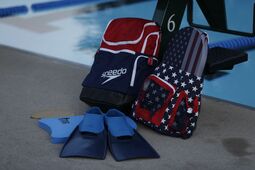
- Fins boost leg strength and enhance proper kick technique.
- Paddles are used to increase stroke efficiency and power.
- Snorkels allow swimmers to concentrate on breathing techniques and maintain proper body alignment without the interruption of turning the head to breathe.
How to Use Training Tools Effectively
Selecting the right tool aligns with your current training goals. Incorporate these tools gradually into your routine to target different muscle groups and skills. However, avoid common mistakes such as over-reliance on any single tool, which can lead to imbalances and potential injuries.
Creating a Balanced Training Program
A well-rounded training program utilizes a mix of tools to ensure comprehensive development. For example, a session might start with fins to work on leg strength, followed by pull buoys for upper body focus, and conclude with a snorkel for breathing techniques.
Maintenance and Care of Training Tools
Proper care is crucial to ensuring the longevity and performance of your swim training gear. Rinse tools with fresh water after each use and store them in a cool, dry place away from direct sunlight.
Swim training tools are invaluable for developing a swimmer’s skill set and enhancing performance. Experiment with different tools to discover which ones best suit your training needs and help push your limits in the water. Embrace these tools and watch your swimming capabilities soar to new heights. Learn more about our training tools and the function of each at Kiefer Aquatics today!
A Parent’s Guide to Swimming Lessons
Swimming is not just an essential life skill but also a gateway to a lifetime of water-based adventures. Swim lessons offer numerous benefits, especially when children start learning at a young age. From boosting physical health to enhancing safety awareness, the impact of early aquatic education is profound.
Choosing the Right Swimming Lessons
Selecting the appropriate swim lessons involves several considerations, such as the child’s age, skill level, and whether they would thrive in group settings or require private sessions. Equally important is the accreditation and qualifications of the instructors, ensuring your child learns in a safe and supportive environment.
Preparing Your Child for Swimming Lessons
The first day of swim class can be exciting yet daunting for young swimmers. Prepare them by discussing what to expect and packing the essential gear like swimsuits, goggles, and towels. Address any concerns by talking about the fun aspects of swimming and how it's a chance to make new friends and learn cool skills. You can also choose parents swim lessons where parents are actively involved in the lesson with the children.
As your child advances in their swimming capabilities, encourage them to practice regularly and celebrate each achievement, no matter how small. It’s also crucial to be supportive when they face setbacks or fear, reinforcing the lesson that perseverance is key.
Water Safety for Kids
Teaching basic water safety rules is a cornerstone of any swimming program. As parents, reinforce these lessons at home and during family outings to the pool or beach, ensuring your child respects and understands the importance of water safety.
Advancing Swimming Skills
Once your child masters basic swimming skills, they might be interested in competitive swimming or other water sports such as diving or water polo. Encourage exploration and support their growth in the aquatic sports they are passionate about.
The journey through learning to swim is filled with significant milestones and invaluable lessons. By staying actively involved and supportive, you ensure that your child not only becomes proficient in swimming but also develops a love for aquatic activities that can last a lifetime. Learn more about water tips and safety with Kiefer Aquatics today!
Overcoming Common Swimming Injuries
Swimming, while a low-impact sport, is not without its risks of injury. Understanding the most common swimming injuries and how to prevent and treat them can help swimmers of all levels enjoy the water safely and sustainably.
Types of Swimming Injuries
Swim injuries can range from mild irritations to more serious conditions that require extended recovery times:
- Shoulder injuries are prevalent due to repetitive stroking, which can strain muscles and tendons. Preventative measures include proper stroke techniques and regular shoulder-strengthening exercises.
- Knee pain often arises from the breaststroke due to the unique kick that places stress on the knees. Utilizing proper form and engaging in knee-strengthening exercises can mitigate risks.
- Neck and back pain can occur from improper head alignment and body positioning. Focus on maintaining a neutral spine and avoid over-rotating the head during strokes.
Prevention Strategies
Effective prevention strategies are crucial:
- Emphasize the importance of warm-up and cool-down exercises to prepare the body for the physical demands of swimming and to aid in recovery afterward.
- Adjust techniques to reduce strain on the body, such as refining stroke mechanics under professional guidance.
- Incorporate strength and flexibility training to support overall muscle balance and joint health.
Treatment and Recovery
Immediate and appropriate responses to swim injuries include:
- Apply first aid for acute injuries, such as rest, ice, compression, and elevation (RICE).
- Seek medical advice when pain persists or intensifies.
- Engage in rehabilitation exercises and plan a gradual return to swimming, ensuring full recovery before resuming full intensity.
Balance intense training with adequate rest to prevent overtraining and related injuries. Recognize signs of overtraining like prolonged muscle soreness or fatigue.
Long-Term Injury Management
Make necessary adjustments to training routines to accommodate recovery and prevent future injuries. Consider using swimming aids and making modifications to your swimming technique during recovery periods.
The key to a long and rewarding swimming career is to swim smart and listen to your body. By prioritizing injury prevention and implementing effective management strategies, swimmers can protect themselves against common ailments and enjoy the benefits of this fantastic sport for many years. Learn more about swim injury, how to prevent injuries, and more swimming tips with Kiefer Aquatics today!